
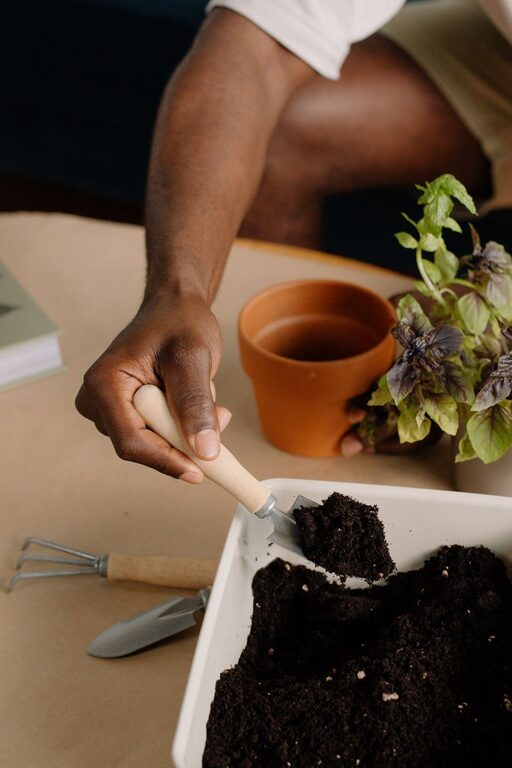
Starting a small herb garden indoors is a fantastic way to enjoy fresh flavors year-round, regardless of your outdoor space. Whether you have a sunny windowsill or limited room, growing herbs inside can be easy, fun, and practical. This guide will walk you through everything you need to know to begin your own indoor herb garden, from selecting the right herbs to caring for them as they grow.
Why Grow Herbs Indoors?
Indoor herb gardening offers many benefits:
– Fresh ingredients: Add vibrant flavor to your cooking anytime.
– Year-round growth: Avoid weather challenges and grow herbs all year.
– Convenience: Harvest herbs right from your kitchen.
– Decor: Green plants brighten up your space and improve air quality.
– Cost-efficient: Save money by growing your own herbs instead of buying them.
Now, let’s explore how to start your own indoor herb garden.
Choosing the Right Herbs for Indoors
Not all herbs thrive indoors equally. Some do better because they prefer consistent temperatures and indirect light. Here are some popular, easy-to-grow indoor herbs:
– Basil: Loves warmth and light; great for cooking.
– Mint: Grows quickly; keep it contained as it spreads.
– Parsley: Tolerates moderate light; adds fresh flavor.
– Chives: Compact, with mild onion flavor.
– Thyme: Prefers bright light and well-draining soil.
– Oregano: Needs plenty of sunlight but is tough to care for.
– Cilantro: Requires cooler temperatures and bright light but can be a bit finicky indoors.
Consider starting with 2-3 herbs that match your kitchen’s light conditions.
Selecting Containers and Soil
Containers
Choose pots with drainage holes to prevent waterlogging. You might use:
– Terracotta pots, which breathe and help soil dry out.
– Plastic pots, which retain moisture longer.
– Ceramic pots with drainage holes for a decorative touch.
Select small to medium-sized containers to manage space easily.
Soil
Use a high-quality, well-draining potting mix formulated for herbs or vegetables. Avoid garden soil, which can be heavy and may contain pests.
Finding the Right Location
Herbs need plenty of light—ideally 6-8 hours of sunlight daily. The best spot is usually:
– A south-facing window (for the most light).
– An east- or west-facing window (for moderate light).
– Near a grow light if natural light is insufficient.
Rotate your plants periodically to encourage even growth.
Planting Your Herbs
You can grow herbs from seeds, seedlings, or cuttings.
– Seeds: More affordable but require patience. Follow packet instructions for planting depth and spacing.
– Seedlings: Available at garden centers; easier and faster to start.
– Cuttings: Propagate by rooting herb stems in water or soil.
Fill your pots with soil, plant your herbs at the recommended depth, and water gently to settle the soil.
Watering and Feeding
– Watering: Keep soil moist but not soggy. Stick your finger into the soil; if the top inch feels dry, it’s time to water.
– Feeding: Use a balanced, water-soluble fertilizer every 4-6 weeks during the growing season. Avoid over-fertilizing, which can reduce flavor.
Ensure good drainage to prevent root rot.
Caring for Your Herbs
Pruning and Harvesting
Regular trimming encourages bushier plants and fresh growth. Harvest herbs by snipping off the top leaves or stems, avoiding removing more than one-third of the plant at once.
Pest Management
Watch out for common indoor pests like spider mites, aphids, or whiteflies. Use natural remedies like neem oil or insecticidal soap if needed.
Troubleshooting Common Issues
– Yellowing leaves: May indicate overwatering or poor drainage.
– Leggy growth: Usually caused by insufficient light; move the plant to a sunnier spot.
– Wilting: Can be due to underwatering or root problems.
Adjust care accordingly.
Tips for Success
– Start small and increase your collection as you gain confidence.
– Keep a journal to track watering, feeding, and growth.
– Experiment with different herbs to find your favorites.
– Use clean pots and tools to avoid disease.
– Consider grouping herbs with similar needs together.
Conclusion
Growing a small indoor herb garden is a rewarding project that brings fresh flavors and greenery into your home. With the right selection of herbs, containers, and care routines, anyone can create a thriving kitchen garden. Start with a few easy herbs, provide plenty of light, and enjoy the satisfaction of growing your own fresh herbs all year round.
Happy gardening!