
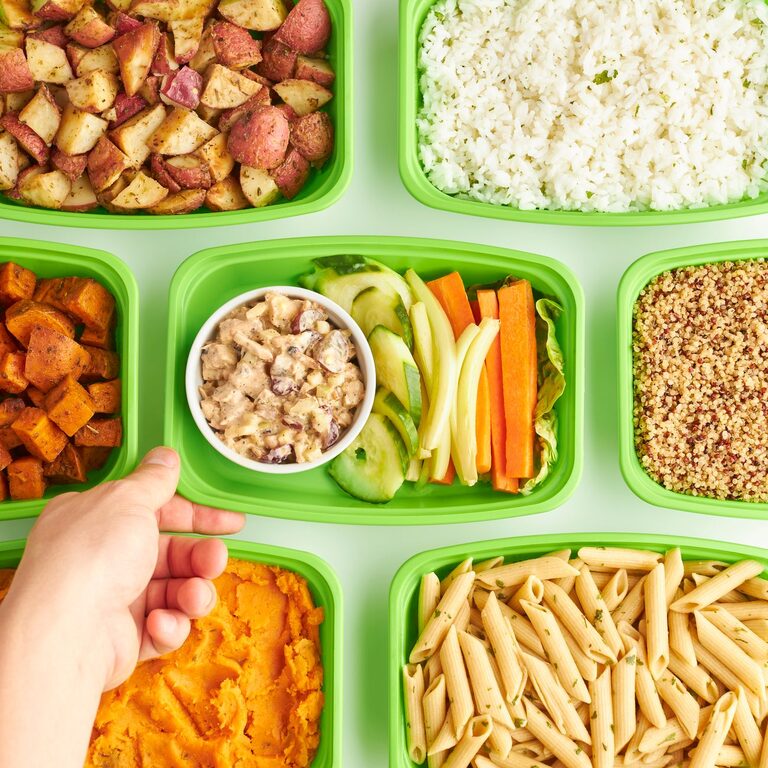
Planning your meals for the week can seem like a daunting task, but it doesn’t have to be complicated. A well-structured weekly meal plan can help you save time, reduce food waste, and keep your diet balanced and enjoyable. Whether you’re cooking for yourself, a family, or roommates, creating a simple meal plan is a great way to stay organized and stress-free in the kitchen.
In this post, we’ll walk through easy steps to create a weekly meal plan that fits your lifestyle and tastes. Let’s get started!
Why Create a Weekly Meal Plan?
Before diving into the how-to, it’s helpful to understand the benefits of meal planning:
– Saves Time: Knowing what you’ll cook ahead of time cuts down on daily decision-making.
– Reduces Stress: Avoid last-minute scrambling about what to eat.
– Saves Money: Plan meals around what’s on sale or what you already have.
– Promotes Healthier Eating: Balanced meals with fruits, veggies, and proteins become easier to prepare.
– Limits Food Waste: Using ingredients efficiently helps reduce what gets thrown away.
Step 1: Assess Your Week and Set Goals
Start by looking at your upcoming week’s schedule. Note any busy days where you might want quick or pre-prepared meals. Also, consider:
– How many meals you need to plan (breakfast, lunch, dinner, snacks).
– Any dietary preferences or restrictions.
– Your cooking time availability.
– Goals like eating more veggies or trying new recipes.
Writing these down helps make your plan realistic and tailored.
Step 2: Choose Your Recipes
Pick simple recipes you enjoy that match your goals. Here are some tips:
– Select meals with overlapping ingredients to simplify your shopping.
– Include a mix of proteins, vegetables, and whole grains.
– Incorporate leftovers or versatile dishes (like soups or stir-fries).
– Start with 3 to 5 main dinner ideas and add simpler options for other meals.
Some examples:
– Grilled chicken with roasted vegetables.
– Vegetable stir-fry with rice.
– Pasta with tomato sauce and salad.
– Overnight oats for breakfast.
– Sandwiches or salads for lunch.
Step 3: Create a Meal Schedule
Lay out your meals on a weekly calendar. Keep it flexible but organized:
– Assign each day’s dinner.
– Decide on breakfast and lunch options (e.g., repeat overnight oats on multiple mornings).
– Plan snacks if needed.
– Consider batch cooking or leftovers for some days.
Example:
| Day | Breakfast | Lunch | Dinner |
|———-|—————–|—————-|———————-|
| Monday | Overnight oats | Salad & sandwich| Grilled chicken & veggies|
| Tuesday | Smoothie | Leftover salad | Pasta with tomato sauce|
| Wednesday| Yogurt & fruit | Soup & bread | Stir-fry with rice |
Step 4: Make a Grocery List
With your recipes and schedule set, write down everything you’ll need. Group items by category to streamline shopping:
– Produce (fruits, veggies)
– Proteins (chicken, beans, eggs)
– Grains (rice, bread, pasta)
– Dairy (milk, yogurt, cheese)
– Pantry (spices, sauces, oils)
Check your kitchen first to avoid buying what you already have. A well-organized list helps avoid impulse buys and reduces food waste.
Step 5: Prep Ahead
Meal prepping can make a big difference, especially on busy days:
– Wash and chop vegetables.
– Cook grains or proteins in advance.
– Portion out snacks.
– Store leftovers properly.
Even 30 minutes of preparation can save time later and get your week off to a smooth start.
Additional Tips for Success
– Stay Flexible: Plans can change; swap meals or adjust as needed.
– Use Tools: Apps, printable planners, or a simple notebook help keep track.
– Include Treats: Plan occasional favorite meals or desserts to stay motivated.
– Cook with Others: Sharing the task with family or friends can be fun and efficient.
– Review and Adjust: At the end of the week, note what worked well and what didn’t.
Conclusion
Creating a simple weekly meal plan is a practical way to bring more ease and enjoyment to your meals. By assessing your schedule, choosing recipes, scheduling meals, making a grocery list, and prepping ahead, you can save time, reduce stress, and eat well.
Start small and build your routine gradually. With a bit of planning, you’ll soon see how much smoother mealtime can be!
Happy cooking!