
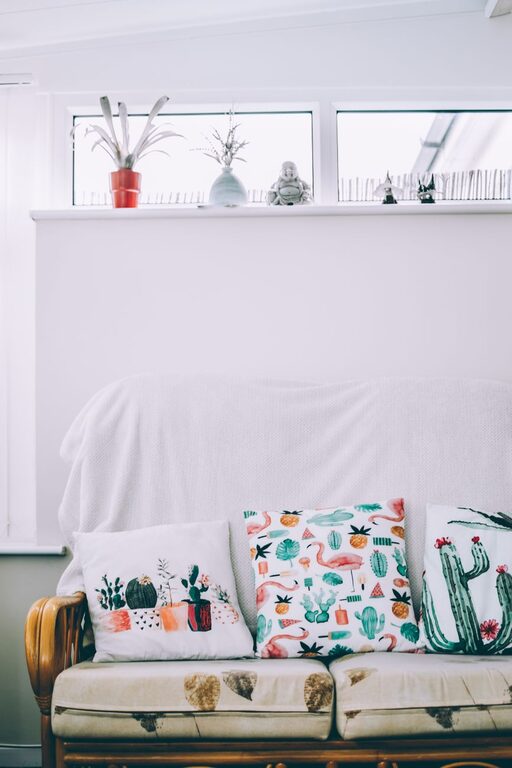
A dark room can feel cramped, gloomy, and unwelcoming. But with a few simple adjustments, you can transform any shadowy space into a bright, cheerful room that feels larger and more inviting. Whether you’re dealing with limited natural light, dark walls, or heavy furniture, these quick ideas will help you lighten up your space without a major renovation.
Assess the Light Sources in Your Room
Before making any changes, take a moment to evaluate how light enters and moves through your room.
– Natural Light: Identify windows, their size, and orientation. Are curtains blocking light? Are windows clean?
– Artificial Light: Look at overhead fixtures, lamps, and other light sources. Are bulbs bright enough? What kind of bulbs are you using?
Understanding where your light comes from and what’s limiting it can help you choose the best strategies.
Choose Light, Reflective Colors
Color plays a key role in how bright a room feels. Dark colors absorb light and can make the space feel smaller. Here’s how to use color to your advantage:
Walls and Ceilings
– Paint Walls in Light Shades: Whites, creams, pale grays, or soft pastels reflect more light and open up the room.
– Brighten the Ceiling: Painting the ceiling a crisp white or a very light shade helps reflect natural and artificial light back into the room.
– Consider Semi-Gloss or Satin Finishes: These finishes have a slight sheen that bounces light, unlike matte finishes which absorb it.
Furniture and Accessories
– Choose furniture with lighter fabrics or finishes.
– Add bright or white throw pillows, rugs, and curtains to add contrast and reflect light.
Maximize Natural Light
Natural light is the most flattering and cost-free source of brightness. Here are ways to let more sunlight into the room:
– Remove Heavy Drapes: Swap out dark, heavy curtains for sheer or light-colored ones.
– Use Blinds That Open Fully: Venetian or roller blinds can be adjusted to let in maximum light.
– Keep Windows Clean: Dust and grime reduce the amount of light coming in.
– Add Mirrors: Position mirrors opposite or adjacent to windows to reflect light deeper into the room.
– Trim Outdoor Obstructions: If possible, trim tree branches or shrubs that block sunlight from windows.
Enhance Artificial Lighting
If natural light is limited, focus on improving your artificial lighting setup.
Layer Your Lighting
Combine different types of lighting to create a bright and balanced atmosphere.
– Ambient Lighting: This is your main light source, such as ceiling fixtures or recessed lights.
– Task Lighting: Use table lamps, floor lamps, or under-cabinet lights to add brightness where you need it.
– Accent Lighting: Spotlights or wall sconces highlight decor and add dimension.
Choose the Right Bulbs
– Opt for LED bulbs with a color temperature between 3000K to 5000K, which produce bright, natural white light.
– Use bulbs with a high lumen output to ensure the room is well-lit.
– Avoid bulbs that are too warm (yellow) or too cool (blue), depending on your preference and room function.
Reflect Light with Fixtures
– Select lighting fixtures that have reflective surfaces or translucent shades to spread light evenly.
– Avoid heavy or dark lampshades that block or absorb light.
Incorporate Reflective Surfaces and Textures
Reflective and light-colored surfaces help bounce light around the room.
– Mirrors: Large or multiple mirrors amplify light and create an illusion of space.
– Glossy or Metallic Accents: Items like glass tables, shiny picture frames, or silver vases can reflect light.
– Light Wood Floors or Rugs: Replace dark floors or add light-colored area rugs to brighten the space.
Declutter and Simplify
A cluttered room feels darker and more cramped. Keeping the space tidy allows light to flow freely.
– Remove unnecessary items or heavy furniture that blocks pathways or light.
– Use furniture with slender legs or transparent materials (like acrylic chairs) to reduce visual bulk.
– Organize cables and electronics to prevent messy shadows.
Use Light Fabrics and Patterns in Textiles
Textiles contribute to the overall brightness and mood of a room.
– Choose curtains, upholstery, and bedding in light colors or soft patterns.
– Avoid heavy fabrics that absorb light.
– Consider sheer curtains or window treatments that allow light to filter through.
Add Greenery for Freshness and Contrast
Plants add life and a pop of color without overwhelming the room.
– Select plants with light green leaves that reflect light.
– Place plants near windows or light sources to emphasize brightness.
– Use light-colored pots or planters to keep the look airy.
Final Touches to Brighten Your Room
– Swap heavy or dark artwork for bright prints or photography with white mats and frames.
– Paint doors and trims white or light shades to create contrast with walls.
– Keep ceiling fans and fixtures dust-free as dirt can dull the light.
Summary
Brightening a dark room can be surprisingly simple by focusing on light colors, maximizing natural and artificial light, adding reflective surfaces, and reducing clutter. These quick ideas allow you to create a cheerful, spacious feeling that makes the space more enjoyable to spend time in. Start with small changes today, and watch your room become a welcoming, luminous haven.