
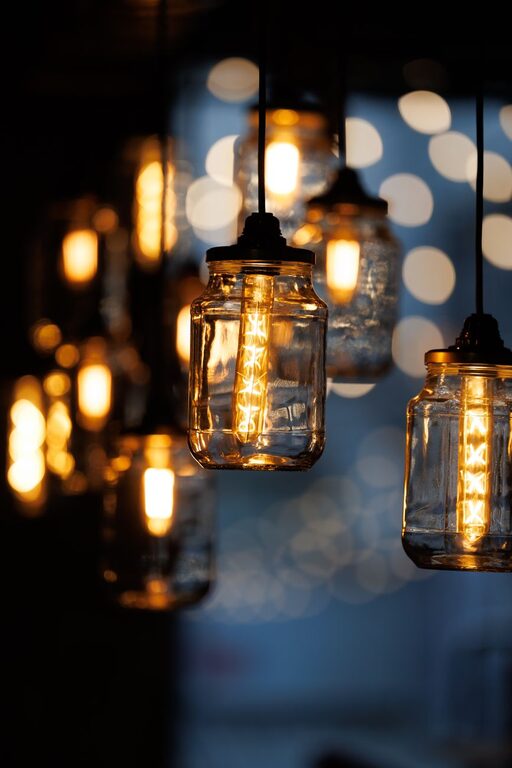
Creating comfortable home lighting is essential for making your living space inviting and functional. Good lighting not only brightens your rooms but also influences your mood, productivity, and overall well-being. Whether you are redesigning a room or setting up new lighting, choosing the right fixtures and bulbs can transform your home environment. Here are some helpful tips to guide you in choosing comfortable home lighting.
Understand Your Lighting Needs
Before you start shopping for lights, consider the purpose of each room and the activities that take place there. Different spaces require different lighting solutions:
– Living Room: A place for relaxation and socializing. Aim for warm, ambient lighting with options for adjustable brightness.
– Kitchen: Requires bright, focused lighting for cooking and food preparation. Task lighting is essential here.
– Bedroom: Should feel cozy and calm with soft, warm lighting suitable for winding down.
– Bathroom: Bright, clear lighting for grooming, preferably with natural tones to mimic daylight.
– Home Office: Well-lit with neutral or cool white light to improve concentration and reduce eye strain.
Understanding these needs helps you select lighting that enhances functionality and comfort.
Choose the Right Light Bulbs
The type of bulb you use greatly affects comfort and ambiance. Here are common options:
– LED Bulbs: Energy-efficient, long-lasting, and available in various color temperatures. Great for most areas.
– Incandescent Bulbs: Provide warm light but are less energy-efficient and have shorter lifespans.
– CFL Bulbs: Economical and energy-saving but may contain small amounts of mercury and take time to warm up.
– Halogen Bulbs: Bright and crisp, often used in task lighting.
For comfortable home lighting, LED bulbs with adjustable brightness and color temperature are often the best choice because they can be tailored to your needs.
Pay Attention to Color Temperature
Color temperature, measured in Kelvins (K), influences the mood created by your lighting:
– Warm Light (2700K – 3000K): Creates a cozy, inviting atmosphere. Ideal for living rooms, bedrooms, and dining areas.
– Neutral Light (3500K – 4100K): Offers bright and clear lighting without harshness. Suitable for kitchens and bathrooms.
– Cool Light (5000K – 6500K): Mimics daylight, helping with focus and alertness. Good for home offices or workspaces.
Choosing the right color temperature helps prevent eye strain and enhances the ambiance of each room.
Layer Your Lighting
To achieve comfortable lighting, use a combination of different types of lighting, known as layering:
– Ambient Lighting: General lighting that fills the room, such as ceiling fixtures or large lamps.
– Task Lighting: Focused lighting for specific activities like reading or cooking. Examples include desk lamps or under-cabinet lights.
– Accent Lighting: Highlights architectural features or décor, like wall sconces or track lights.
Layering allows you to adjust the lighting according to your mood and activity, providing flexibility and comfort.
Consider Dimmers and Smart Controls
Installing dimmer switches lets you adjust brightness levels to suit different times of day or moods. Dimmers are especially useful in living rooms and bedrooms where soft lighting often feels more comfortable.
Smart lighting systems allow you to control brightness, color temperature, and even schedule light changes via smartphone apps or voice commands. These options add convenience and help you create the perfect lighting environment.
Select Fixtures that Complement Your Style
The style of light fixtures impacts the look and feel of your space. Choose fixtures that match your interior design while providing the right amount of light. For example:
– Modern minimalist designs suit clean, bright lighting.
– Rustic or vintage fixtures often pair well with warm, soft light.
– Adjustable fixtures such as swing-arm lamps or track lighting provide versatility.
Comfortable lighting is not just about brightness but also how well it integrates with your décor.
Position Lights Thoughtfully
The placement of lights affects comfort and function:
– Avoid overhead lights that cause harsh shadows or glare.
– Place lamps near seating areas to provide adequate reading light.
– Use floor or table lamps to add layers and control light direction.
– In kitchens, install under-cabinet lighting to illuminate work surfaces.
Careful placement helps reduce eye strain and creates a pleasant atmosphere.
Choose Proper Bulb Brightness
Brightness is measured in lumens. Here are some general guidelines:
– Living rooms and bedrooms: 1,500 to 3,000 lumens total.
– Kitchens and bathrooms: 4,000 to 8,000 lumens total.
– Task lighting: 450 to 1,200 lumens depending on the task.
Too bright or too dim lighting can cause discomfort, so aim for a balanced level appropriate for each space.
Pay Attention to Color Rendering Index (CRI)
CRI measures how accurately a light source shows colors compared to natural light. A CRI of 80 or above is good for comfortable, natural-looking lighting. This is particularly important in areas like bathrooms and kitchens where color accuracy matters.
Maintain and Clean Your Lighting
Dust and dirt can reduce the effectiveness of your lighting over time. Regularly clean fixtures and replace bulbs as needed to keep your lighting comfortable and efficient.
—
By considering these tips, you can create a home lighting setup that is both comfortable and functional. Thoughtful lighting enhances your living space, supports your daily activities, and helps you relax. Whether upgrading a single room or your entire home, the right lighting choices make a significant difference in how your space feels.