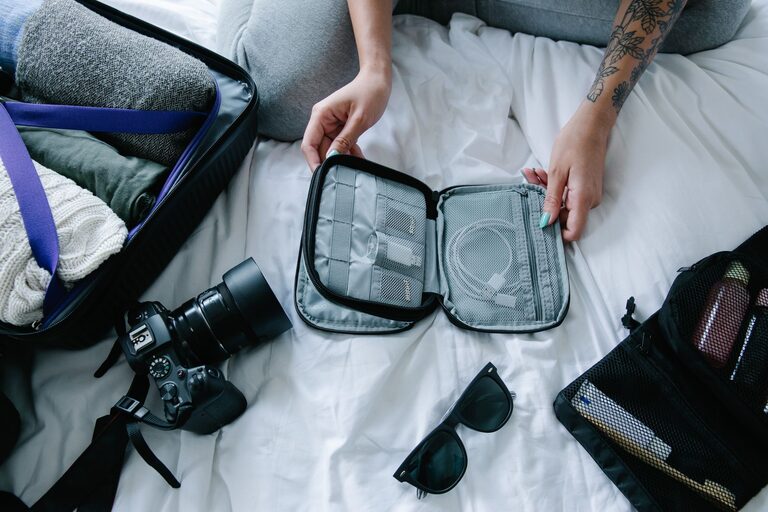
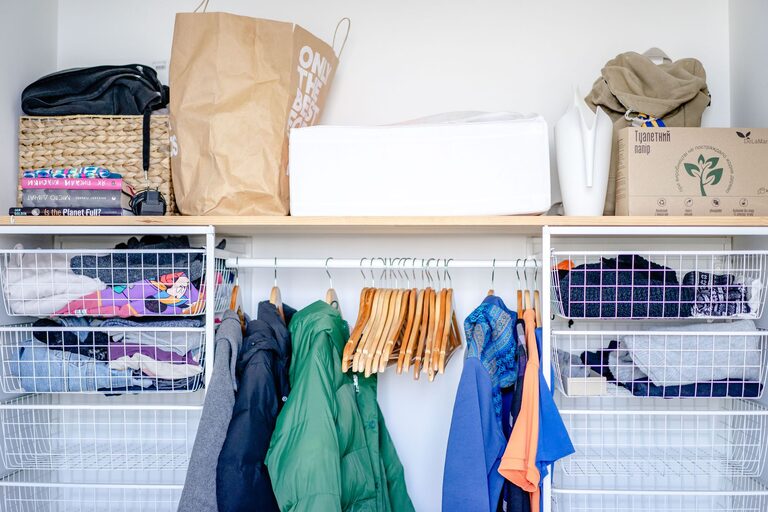
Storing seasonal clothes efficiently can transform your living space, making it easier to find what you need and keeping your garments in good condition. Whether you’re switching from winter sweaters to summer dresses or packing away fall jackets, having a clear plan for seasonal clothing storage helps reduce clutter and preserves your favorite pieces. In this guide, we’ll explore practical tips and storage solutions that make managing your wardrobe simple and effective.
Why Efficient Seasonal Clothes Storage Matters
When clothes are stored improperly, they can become wrinkled, damaged, or even develop unpleasant odors. Efficient storage protects your garments from dust, pests, and moisture while freeing up valuable closet space for the season’s current wardrobe. It also cuts down on laundry time and stress when you switch seasons, because your clothes will be clean, organized, and ready to wear.
Step 1: Sort and Declutter Before Storing
Before packing away last season’s clothes, take time to sort through everything. This helps you:
– Identify items that no longer fit or haven’t been worn.
– Donate or recycle clothes you no longer need.
– Separate clothes that require special care, like dry cleaning or repairs.
By decluttering, you create space for what you really love and use, making storage more efficient.
Step 2: Clean Clothes Thoroughly
Always wash or dry-clean clothes before storing them. Dirt, sweat, and oils can attract pests and cause stains to set over time. Make sure items are completely dry to prevent mold and mildew growth. Iron or steam clothes if needed to minimize wrinkles and creases while in storage.
Step 3: Choose the Right Storage Containers
Selecting proper storage containers protects your clothes and keeps them organized.
Types of Storage Options
– Plastic Bins with Lids: These are excellent for protecting clothes from moisture, dust, and pests. Choose clear bins to easily see what’s inside.
– Vacuum-Sealed Bags: Great for reducing volume, especially for bulky items like coats and sweaters. Just remember to store them in a cool, dry place to avoid damaging fabrics.
– Fabric Storage Bags: Breathable bags help clothes stay fresh and prevent condensation.
– Storage Boxes: Cardboard or decorative boxes can work but may not protect clothes as well from moisture or pests.
Label Everything
Label your containers clearly by season, clothing type, or outfit. This makes finding specific items a breeze when it’s time to rotate your wardrobe again.
Step 4: Store Clothes Properly Inside Containers
How you arrange your clothes inside storage containers affects their condition and accessibility.
– Fold clothes neatly to avoid creases and wrinkles.
– Use acid-free tissue paper between delicate items to prevent fabric damage.
– Avoid overpacking containers; give clothes room to breathe.
– For bulky items, consider rolling to save space and reduce wrinkles.
Step 5: Optimize Your Storage Space
Think about the best place to store your containers.
– Closets: High shelves or under-bed storage racks work well for easy access.
– Basements or Attics: These areas can be suitable if they are dry and temperature-controlled.
– Under Beds or Furniture: Utilize space that often goes unused.
Keep containers off the floor if possible to prevent damage from moisture or pests.
Step 6: Protect Clothes from Pests and Moisture
Moths, insects, and dampness are common threats to stored clothes. To protect your wardrobe:
– Use natural repellents like cedar blocks or lavender sachets inside storage containers.
– Avoid using harsh chemicals or mothballs that can leave strong odors.
– Ensure storage areas are well-ventilated and dry.
– Regularly check on stored clothes every few months for any signs of damage.
Step 7: Plan for Easy Seasonal Rotation
Set up your storage system to make swapping clothes between seasons simple.
– Store current season clothes at eye level or in the easiest-to-access spots.
– Keep off-season clothes neatly packed and labeled on higher shelves or less accessible areas.
– Consider using garment bags for frequently used pieces that might return mid-season.
Additional Tips for Special Items
– Shoes: Clean and dry shoes before storing. Use shoe boxes or clear organizers, and fill shoes with paper to maintain shape.
– Accessories: Store scarves, hats, and belts in separate bins or drawer organizers to prevent tangling.
– Delicate Fabrics: Store silk, wool, or embellished garments flat with tissue paper to protect them.
Conclusion
Efficiently storing your seasonal clothes can save time, extend the life of your garments, and create a welcoming, organized home environment. With a little planning and the right storage materials, you can keep your wardrobe fresh and ready for every season. Start your seasonal storage routine today and enjoy the benefits of a clutter-free closet!